September 8, 2025
The Link between C-Sections and Scar Endometriosis: What You Should Know
What is Scar Endometriosis?
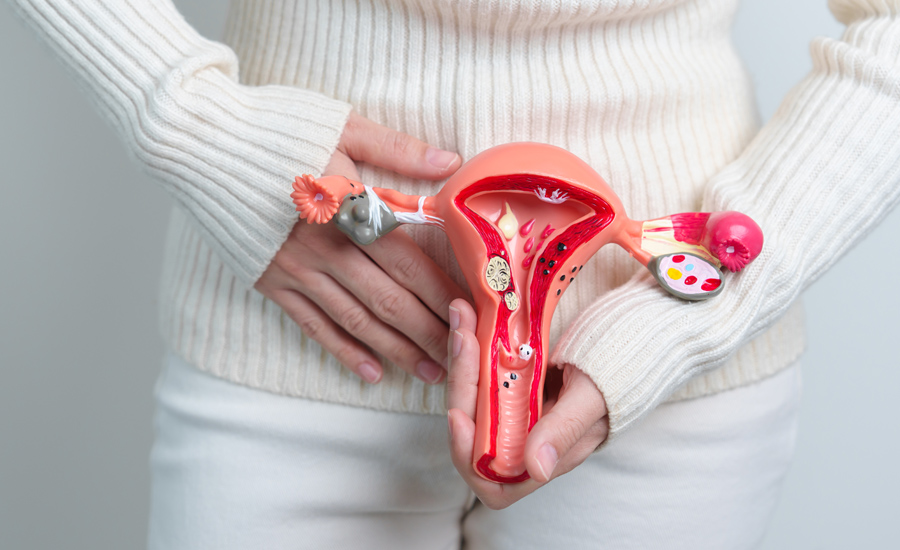
Scar endometriosis refers to the deposition of endometrial-like tissue at the surgical site during procedures such as C-section operations, hysterectomies, or myomectomies. During these surgeries, access is made to the uterine space. If endometrial cells accidentally take root at the abdominal or skin closure site, they can commence growth and form painful nodules.
As with normal endometriotic tissue, these implants respond to the cycle hormones. They thicken and bleed, becoming inflammatory but unlike within the uterus, blood and tissue have nowhere to escape from the body. It accumulates over time into a tender mass, leading to cyclical pain and swelling, as well as occasionally noticeable local changes at the scar site.
How Does Scar Endometriosis Develop After a C-Section?
During the procedure, pieces of the endometrial tissue can incidentally get moved to the skin closure layers or the abdominal wall. When they embed, they behave just like normal endometrial tissue with growth, bleeding, and response to changes brought about by hormones with each menstrual cycle.
In many cases, the cause is linked to surgical technique. During a C-section, the operating doctor typically uses a surgical mop to wipe and clean blood from different surfaces. This same mop is often used to clean the inside of the uterus before it is closed. However, if that same mop is then used to wipe the abdominal wall or skin layers, traces of endometrial tissue can get transferred into the incision. These cells, now implanted in the scar tissue, begin to grow and start triggering pain, swelling, and inflammation during every menstrual cycle.
The problem is that this tissue is now located outside of the uterus, buried within the scar tissue, where it causes cycle-related pain and inflammation and tissue damage. Many times, the woman is not connecting their pain with surgeries from the past, making it harder to diagnose.
Symptoms as detected by an Endometriosis Specialist
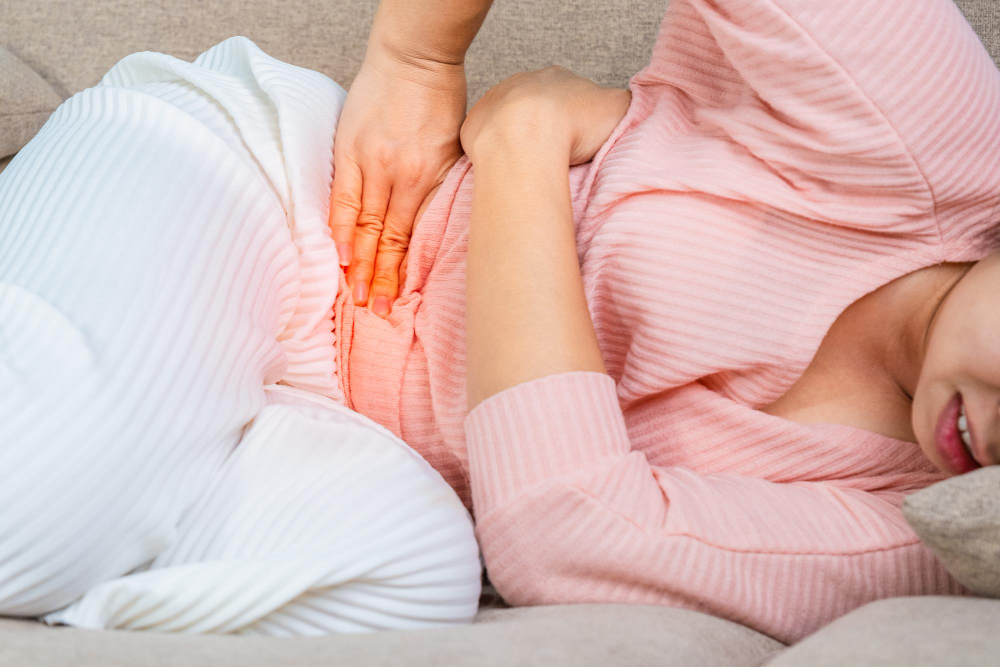
Scar endometriosis can appear either after months or in some cases even after years of having a C-section. Common symptoms include
- Painful lump near or on the C-section scar
- Cyclical pain that worsens during menstruation
- Redness, swelling, or discolouration over the scar
- Tightness around the incision
- Bleeding or discharge from the scar
- Pain in nearby areas
Diagnosis: What to Expect from an Endometriosis Specialist
Diagnosis of scar endometriosis relies on a strong clinical suspicion when faced with a woman with a history of C-section and persistent tenderness of the scar. The medical history and physical exam are where the investigation starts. Confirmation of the diagnosis may lead an endometriosis specialist to recommend:
- Ultrasound – This helps to reveal if there is a solid mass present within the scar
- MRI – Offers finer imaging to assess the size and nature of the lesion
- FNAC (Fine Needle Aspiration Cytology) – This helps to confirm if there are any endometrial cells present.
Treatment: Why Undergo the Surgery from the Best Gynaecologist in Ahmedabad
Painkillers and hormonal therapies are only there to relieve temporarily. These do not cure scar endometriosis completely. At Dr. Sandip Sonara’s centre, we ensure:
- Preoperative mapping to understand the depth and spread of the disease
- Precise surgical excision using advanced techniques
- Preservation of surrounding healthy tissue
- Minimal recurrence rates with thorough removal
- Post-operative care and lifestyle modification guidance to support full recovery
It is extremely important to choose an endometriosis specialist to help guide you on the right path.
Why Choose Dr. Sandip Sonara, the Best Gynaecologist in Ahmedabad
Dr. Sandip Sonara is a SRC-accredited master surgeon in multidisciplinary endometriosis care, one of the very few in India recognised at an international level. His approach goes beyond just surgery—it’s a full ecosystem of care, from diagnosis to post-operative support.
Scar endometriosis is rare, and little is known about it, but it can be fully cured if proper expertise is available. Known as the best gynaecologist in Ahmedabad, Dr. Sonara has cured many patients from all over India and overseas with highly complex cases of endometriosis like post-C-section endometriosis.
Recent Posts
-

Top Endometriosis Myths Debunked: What Every Woman Should Know
January 21, 2026
-
Surgical Solutions for Endometriosis: What to Expect Before, During and After Surgery
September 22, 2025
-
The Link between C-Sections and Scar Endometriosis: What You Should Know
September 8, 2025
-
Navigating Through Diagnosis, Symptoms and Treatment of Endometriosis
July 17, 2025
-
Endometriosis: Importance of Early Detection and Timely Intervention
July 15, 2025
-
High time to Say No to Delayed or Missed Diagnosis of Endometriosis
January 31, 2025