July 17, 2025
Navigating Through Diagnosis, Symptoms and Treatment of Endometriosis
Endometriosis – a condition affecting millions of women worldwide – is not just about painful periods. It is a silent battle that women across the world fight and most of the time surrender at the end. Reason: lack of awareness, feeling it as a social taboo to discuss this and seek help. For females, menstruation is essence of their womanhood. But, women suffering from Endometriosis, it is ‘that’ dreadful time of the month. Because it is not just pain, but emotionally and physically draining time of the month that leave deep scar on their personality and confidence over the time. Endometriosis can be cured with awareness, medical intervention, lifestyle changes and a positive outlook.
Endometriosis: The Cause Within
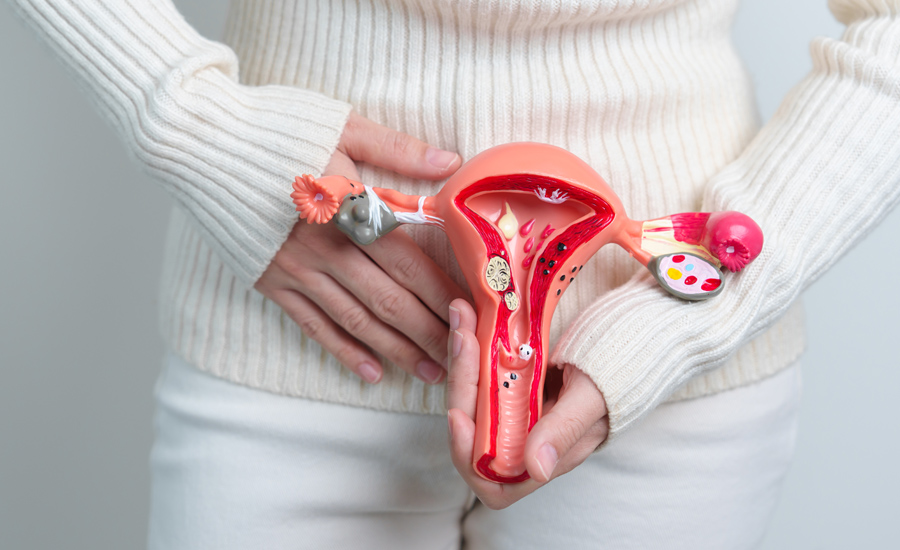
A journey of a girl towards womanhood first starts with the onset of menstruation, or as we call it, a period. A healthy menstruation cycle is defined by menstrual bleeding lasting from 2 to 7 days at regular intervals of 21 to 35 days due to shedding of uterus lining tissues and partly blood. In Endometriosis, this uterus lining – Endometrium, grow outside the uterus and affects other female reproductive organs like ovaries, fallopian tubes, as well as the bladder, bowel, or abdominal organs.
The reason why many women suffering from Endometriosis, cannot fathom the condition is; though growing outside the uterus, these tissues induce the same menstrual cycle characteristics like the normal one but, since it has no way to exit the body, it leads to internal bleeding, inflammation, scar tissue, and eventually adhesion that could cause organs to stick together and forms the nodules of endometriosis.
Endometriosis: The Silent Evolution
As girls hit puberty at the age of 12 or 13, that could be the onset of a condition that gradually worsens over time until the female body reaches menopause. Since tissues cannot leave the body, with every cycle, they keep spreading and gradually they affect the entire pelvic region and sometimes even the lungs. Many patients don’t realise the seriousness until chocolate cysts (blood-filled ovarian cysts) are formed. By this time, the damage is often widespread, affecting surrounding pelvic organs, and by this stage, severe pain and infertility have usually been established.
Endometriosis: Know the Symptoms
The first step in Endometriosis treatment plan is understanding the symptoms:
- Chronic pelvic pain (not just during periods)
- Back pain lasting for years
- Painful intercourse
- Pain while urinating or during bowel movements
- Excessive bleeding during menstruation
- Infertility or difficulty conceiving
- Bloating, constipation, or symptoms similar to IBS
- Fatigue, mood swings, or even depression
However, these symptoms are often ignored or normalized, referred to as a natural process of becoming a woman.
Endometriosis: Right Diagnosis is the Key
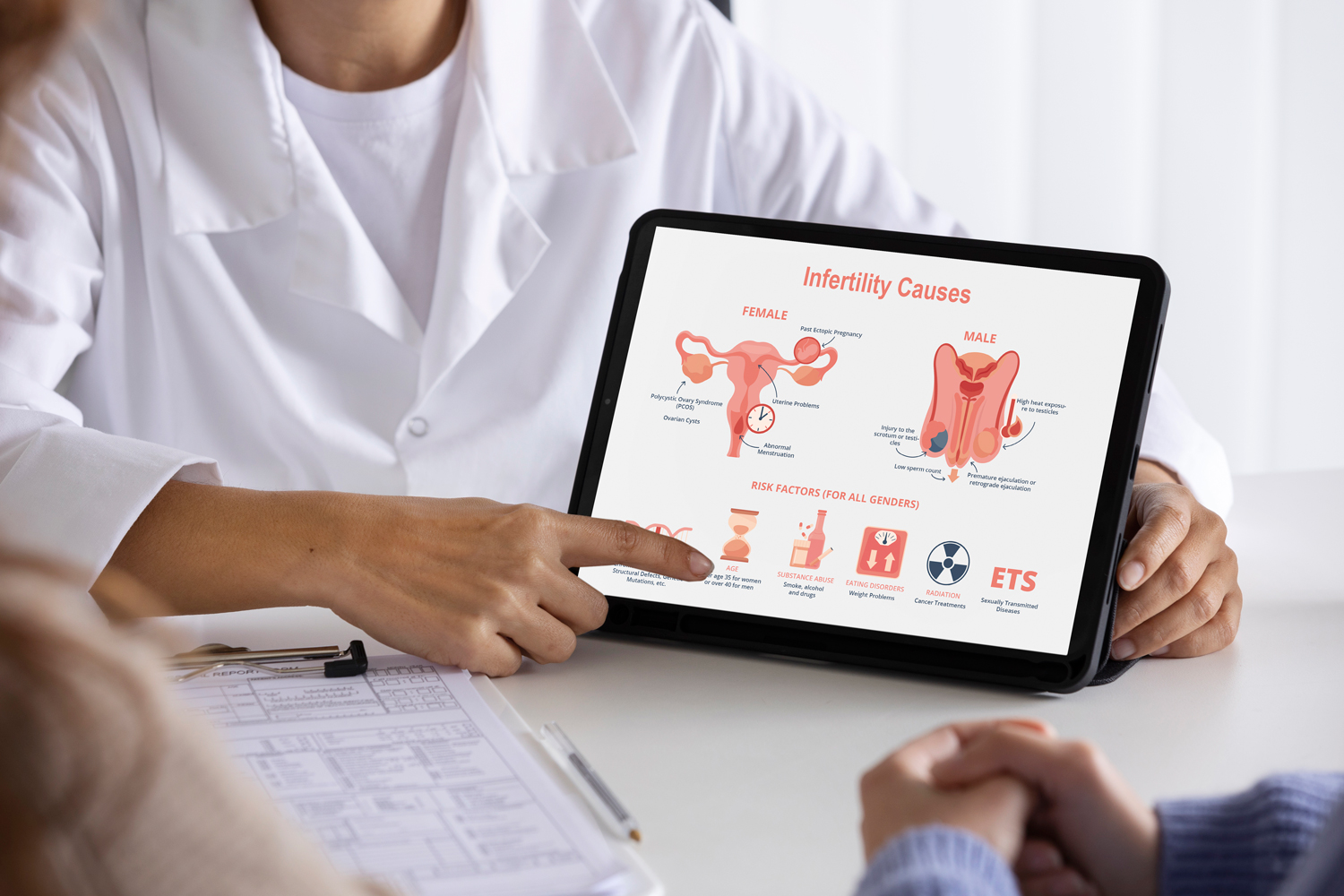
Regarding the symptoms mentioned above, Endometriosis many times creates a confusing scenario, making accurate diagnosis difficult. Symptoms like painful bowel movements are often termed a gastrointestinal problem, and similarly, painful periods or heavy bleeding are many times tagged as PCOS symptoms. So what is the course for accurate diagnosis?
- Expert-level ultrasound – It can detect up to 98% of endometriosis cases. However, for this, you need an experienced and expert endometriosis specialist, as most general gynaecologists are not equipped to accurately detect or surgically treat the condition.
- High-resolution MRI – It offers up to 99% accuracy in identifying the disease and its spread. However, this level of accuracy is only achieved when the scan is interpreted by expert radiologists who specialize in endometriosis and have a proven track record. If the MRI is done by general gynaecologists or routine radiologists, there is a high chance the condition will be missed.
Yet, diagnosis is the beginning of a journey towards healing, and the road to recovery has its own challenges.
Endometriosis: The Roadblocks in the Road to Recovery
If you are diagnosed with Endometriosis, the first course of treatment suggested by your general gynecologist would be hormone therapy or pain medications. Though it will mask the symptoms for a while, the inherent condition is not taking respite; in fact, it could be progressing slowly. Once medication stops, the symptoms often come back stronger. Many gynecologists also perform surgeries, but these are usually limited to removing chocolate cysts or superficial lesions. The disease, however, remains inside – continuing to grow silently. This is why recurrence rates are high when surgery is incomplete.
So…what is the only effective cure? It is Complete Surgical Excision.
Most of the treatments and cures are centred towards controlling the symptoms of Endometriosis. While the real course of action needs to be a complete cure that involves removing it from every single organ it has affected. This requires 100% preoperative mapping, surgical expertise, and the ability to operate across multiple systems – gastrointestinal, urological, and reproductive.
He is one of India’s only two endometriosis specialists certified by the Surgical Review Corporation (SRC) for excellence in endometriosis care. Both his clinic and his personal surgical skills have earned this distinction. His approach is markedly different and far more precise – resulting in a recurrence rate of less than 2%, compared to the national average, which remains significantly higher due to incomplete or superficial surgeries.
Endometriosis: Expertise Matters
When endometriosis infiltrates deeply, spreading beyond the reproductive organs, it’s not a case your general gynecologist can handle, as they can only be focused on removing cysts. In such a scenario, you need a trained expert who can understand the ‘underlying’ disease without asking the patient to “wait,” “rest,” or worse, to remove their uterus altogether. Without full excision, symptoms return, fertility declines, and patients continue suffering.
Dr. Sandip Sonara: A Surgeon Who Understands the Full Picture
Dr. Sandip Sonara is a master in multidisciplinary endometriosis surgery. With advanced training and a bold, system-wide surgical approach, he ensures:
- Every lesion is removed
- Organs are preserved wherever possible
- Fertility is protected
- Long-term quality of life is restored
Endometriosis: “End’’ of Suffering is Possible
Endometriosis diagnosis and treatment are not easy. But if you have the right doctor to guide you, the path is hopeful. For Dr. Sandip Sonara; the key factor in endometriosis treatment plan is understanding and listening to patient with compassion and patience. He strongly emphasizes patient education and awareness as the foundation of successful treatment. Along with surgical expertise, he ensures post-operative surveillance where lifestyle modifications are suggested and monitored. This level of continued guidance and follow-through is rare, and something very few others offer.
He always begins by teaching patients what endometriosis truly is helping them understand the condition in depth. Once they grasp it, he carefully walks them through how it can be treated and managed. This patient-first approach builds trust, clarity, and long-term commitment to recovery.
If you or someone you know is going through above symptoms; ‘don’t hold back’! Speak up. Seek Medical Help and accurate diagnosis. Take the first step toward complete healing.
Recent Posts
-

Top Endometriosis Myths Debunked: What Every Woman Should Know
January 21, 2026
-
Surgical Solutions for Endometriosis: What to Expect Before, During and After Surgery
September 22, 2025
-
The Link between C-Sections and Scar Endometriosis: What You Should Know
September 8, 2025
-
Navigating Through Diagnosis, Symptoms and Treatment of Endometriosis
July 17, 2025
-
Endometriosis: Importance of Early Detection and Timely Intervention
July 15, 2025
-
High time to Say No to Delayed or Missed Diagnosis of Endometriosis
January 31, 2025