July 15, 2025
Endometriosis: Importance of Early Detection and Timely Intervention
Around us, many times we notice mothers, sisters, aunts, and female friends facing tough times during ‘those’ days! And we simply label it as PMS. The notions and discussions around periods or menstruation are still ‘hush-hush’ conversations in families and society. Thus, a painful condition like Endometriosis goes either unnoticed or undiscussed, and a woman suffering from it not only has recurrent painful periods all her life, but it also affects the reproductive system and her ability to conceive. No surprise, it is called a silent perpetrator, as those suffering from it, if not diagnosed, would never know the exact cause of their infertility.
Apart from physical pain, Endometriosis leaves emotional scars on patients, alienating them from society. Thus, it is very much required to adopt a different approach while dealing with an Endometriosis patient. The first step starts with early detection, leading to timely intervention.
Early Detection, Early Solution. Diagnosis is the Key.
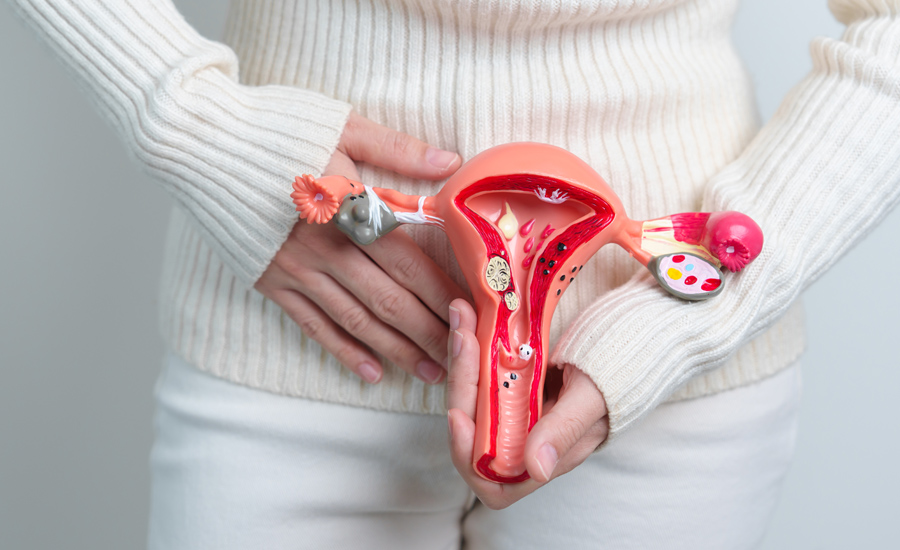
Periods or menstruation is one of the most crucial stages of a woman’s life. It is a passage that marks her entry into womanhood, an indication that her body is ready to reproduce. The normal-looking menstrual cycle becomes abnormal when the uterine lining grows not inside but outside the uterus and eclipses other organs like the ovaries, fallopian tubes, as well as the bladder and intestine. In its most severe form, it reaches up to the lungs as well.
Endometriosis goes unnoticed because, like normal tissues, thickening and bleeding with each menstrual cycle happen, but since they don’t leave the body and keep accumulating, they cause inflammation, pain, scarring, and organ adhesions.
Due to its mimicking nature, the condition is often ignored and get labelled as ‘period pain’. In the present time, even when patients seek medical help; the ambiguity of endometriosis symptoms, often leads to wrong interpretation of the condition. Moreover, the ‘danger of delay in diagnosis’ followed by incorrect treatment management allows for deeper and wider tissue penetration, causing more damage and reducing the chances of treatment success.
Unfortunately, one of the largest reasons for late diagnosis is the lack of awareness and specialised expertise among a significant number of healthcare professionals, including gynaecologists. In several cases, doctors fail to recognise the clinical symptoms of endometriosis or, worse, deliberately avoid talking about the condition to the patient even when they have a suspicion about it.
Either by lack of proper education, medical follow-up, or the need to keep a patient by not re-referring her to a specialist, a significant number of practitioners practice short-term symptomatic therapy rather than addressing the cause.
Apart from the delay in the correct diagnosis, such practice allows the disease to creep stealthily forward, causing further morbidity. Alarming as it is, even when the condition already becomes a suspicion, a significant number of physicians avoid full disclosure, opting for the retention of patients rather than the health of the same. Such Bethune highlights the largest lacuna in women’s health provision today—so-abject practitioner accountability, ethical medical practice, and mass awareness for the patients.
Endometriosis…The Silence about the Silent Offender
The biggest roadblock in the diagnosis and treatment of Endometriosis is the basic misconception, misinformation, and many times, no information at all about periods itself! Girls, when they get their first period, are clueless about what transformation they are going through. All they are told is about bleeding, discomfort, and pain. Many times, they are even told that the pain will go away after marriage and pregnancy. Pills and Hormone therapies are interim solutions as they subdue or relieve the pain.
This approach is frequently employed as a result of lack of expertise and insufficient information regarding the diagnosis and treatment of endometriosis. Most doctors have no idea how to properly identify it, or, knowing how, lack the skill and confidence to treat it. Instead of sending the client to a specialist in treating endometriosis, who can provide complete care, they retain short-term management. In addition to postponing adequate care, the disease continues silently progressing.
What most patients don’t know is that such suppression is only worsening their condition and adding to the progression of the disease. In a worst-case scenario, when nothing works, patients are advised to go for uterus removal as a last resort.
What we all need to understand is – Endometriosis is not all about the uterus. It is a multi-organ, inflammatory condition. And unless it’s removed completely, it will keep recurring.
Endometriosis: Don’t Be Sorry. Be in a Hurry to Find a Cure.
The scars of Endometriosis are not just physical but emotional as well. Females suffering from the conditions often suffer from infertility due to blocked tubes, chronic pain, bloating, constipation, and pain during sexual intimacy. After repeated visits to gynecologists or IVF practitioners, many women find no real solution. Instead, they are often told that their pain is “normal” or exaggerated. Husbands, unable to understand the invisible suffering, may believe that their wives are making excuses, while in-laws sometimes accuse them of being weak or problematic. This constant blame and dismissal only deepen the emotional wounds.
These all boil down to low self-esteem and poor confidence and in married women, difficulty in conceiving and sexual intimacy becomes the cause of marital discord. In a worst-case scenario, women are often given a divorce. The impact of endometriosis is so severe that many patients feel suicidal as they feel helpless and hopeless about their situation.
The Case for Early Detection
If diagnosed at early stage, Endometriosis has a higher chance of successful treatment. It also increases the chances for less invasive treatment, as if the tissues have not progressed to other body organs, it is easy to remove the ‘bad’ tissue.
With early diagnosis, chances for less invasive surgery and shorter recovery time are high.
What Should Be the Right Course of Treatment?
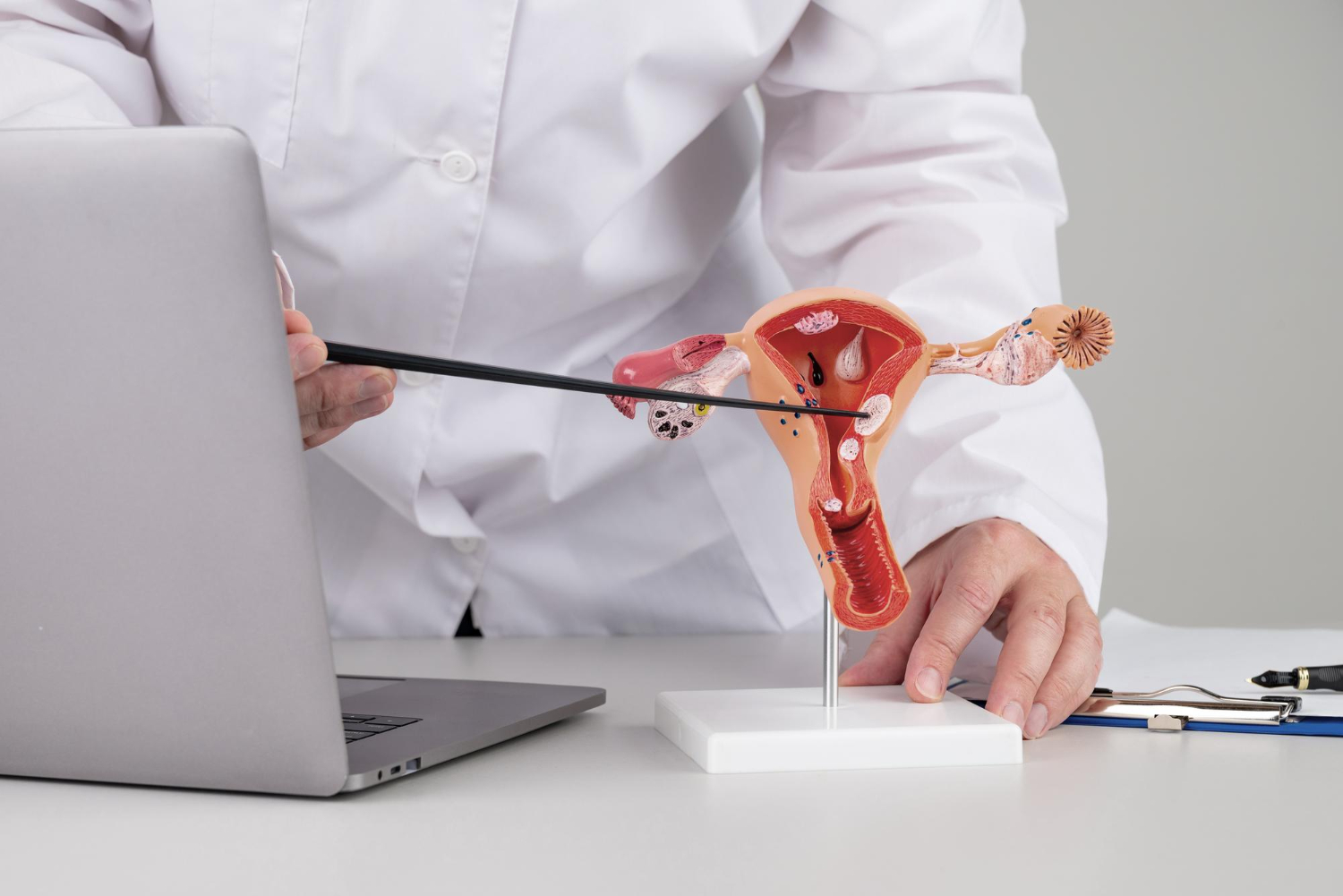
According to Dr. Sandip Sonara, one of the very few SRC-certified multidisciplinary endometriosis surgeons in India, it all starts with an empathetic approach towards the patient. Listen. Understand the pattern of the issue, like the intensity, timing, and frequency of pain, infertility, and digestive issues.
One can either opt for Transvaginal Ultrasound Sound, which has 98% accuracy in finding deep infiltrated tissues or High-Resolution Pelvic MRI, which ensures 99% accuracy in mapping the depth of the disease.
According to Dr. Sandip Sonara, “The right course of treatment starts with patient awareness, followed by the right medical or surgical treatment, and is completed with post-operative care, lifestyle changes, and regular follow-up. This holistic approach restores a 100% normal life to women suffering from endometriosis.”
Why Surgery Becomes Necessary?
Many gynaecology practitioners often prescribe pain or hormone medicines as part of a treatment plan. But Endometriosis cannot be cured with medicines or hormone suppression. These are short-term relief plans, as the antagonist will soon return. The only effective and long-term treatment is complete excision – removal of every visible and microscopic lesion from every organ it has spread to. Something that most miss.
General gynaecologists typically remove only chocolate cysts or surface lesions. The root disease remains. It grows back. Recurrence becomes inevitable.
Dr. Sandip Sonara strongly emphasises that the disease is truly treated only when every tissue is removed. His recurrence rate is less than 2%—a staggering contrast to the national average, which is significantly higher due to partial surgeries. This is because he performs detailed preoperative mapping and approaches each surgery with a multidisciplinary strategy – something very few doctors in India are trained or equipped to do.
Don’t Wait – Act Early
If you’ve been experiencing chronic pelvic pain, pain during intimacy, back pain, painful periods and infertility or failed IVF, then it’s time to seek medical intervention.
If repeated consultations with gynecologists have left you without answers or proper diagnosis, it’s time to consult India’s leading endometriosis specialist, Dr. Sandip Sonara.
Don’t let Endometriosis dictate your life. Get diagnosed, get treated.
Recent Posts
-

Top Endometriosis Myths Debunked: What Every Woman Should Know
January 21, 2026
-
Surgical Solutions for Endometriosis: What to Expect Before, During and After Surgery
September 22, 2025
-
The Link between C-Sections and Scar Endometriosis: What You Should Know
September 8, 2025
-
Navigating Through Diagnosis, Symptoms and Treatment of Endometriosis
July 17, 2025
-
Endometriosis: Importance of Early Detection and Timely Intervention
July 15, 2025
-
High time to Say No to Delayed or Missed Diagnosis of Endometriosis
January 31, 2025